Perham, Minnesota · Otter Tail County · Est. 1914 · Dryland Grain & Edible Beans
Our Story
Four generations. One piece of Minnesota.
The name says it all — this farm has carried 1914 for more than a century. Dairy built it. Grain carries it. Data is how we make sure there’s a chapter after ours.
No. 01 — Where We Come From
Rooted in dairy heritage
My great-grandfather started this place right around 1914 — close enough that the year became the name. My grandpa took it over with about fifteen cows in the barn, and he and my grandma built it up however they could: milking, custom chopping for the neighbors, filling silos, even welding snow plows in a little shop he put up — always finding one more way to make the farm pay.
My dad grew the herd and built the barns. And when he retired from the dairy in 2009, the operation passed to me and went a hundred percent to grain. The barn went quiet, the fields got louder, and the questions got more interesting: not just how much did we grow, but what is this soil capable of, and how do we leave it better?
— Michael Steeke, fourth generation
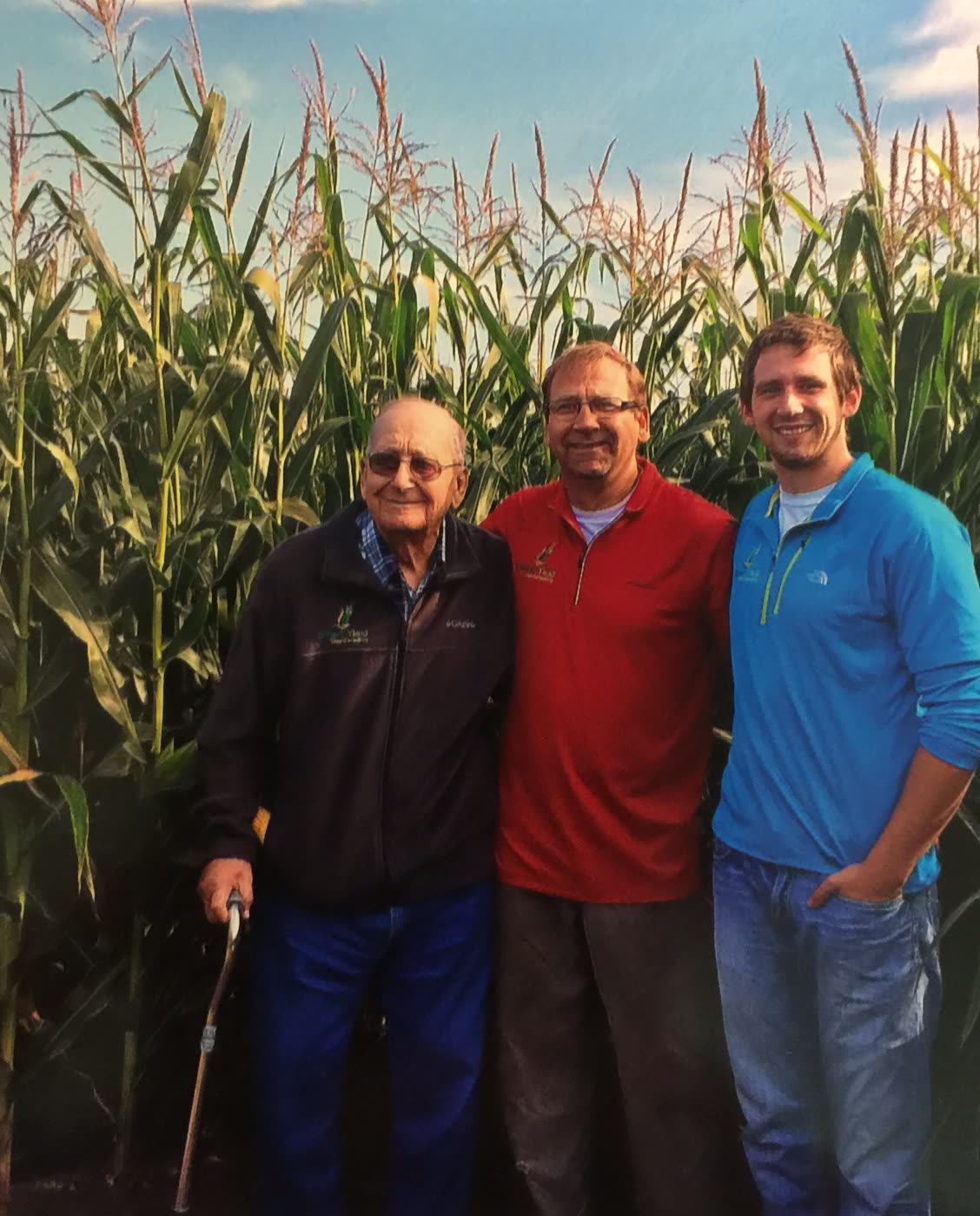
Grandpa, Dad, and me — the fifth generation is growing up on the farm now
No. 02 — The Ledger of Years
How a dairy farm became a data farm
~1914
The first chapter
My great-grandfather broke this ground and set the farm on its way — and four generations have carried what he started ever since. The badge on the grain bins still reads: Est. 1914.
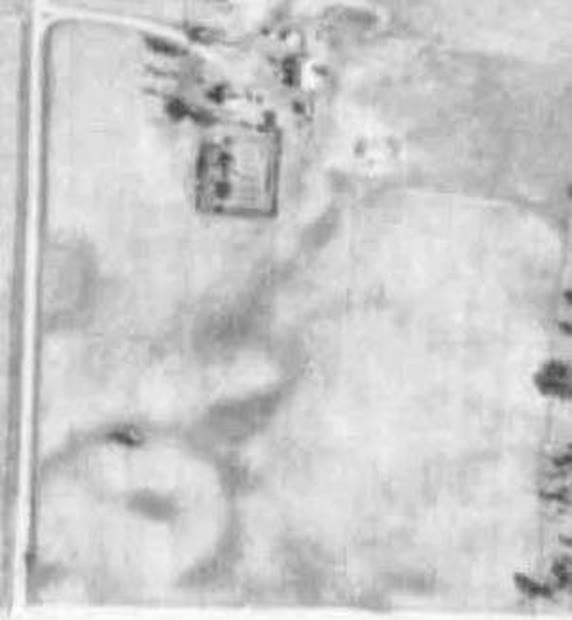
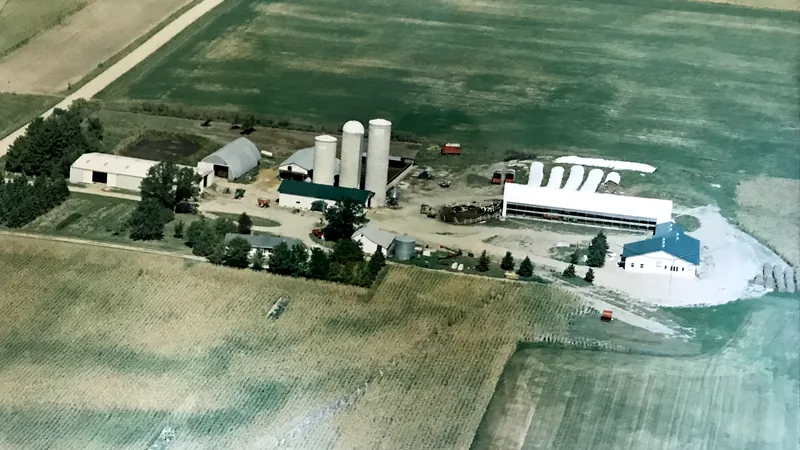
The farm from the air, 1939
Grandpa’s years
Fifteen cows and a welder
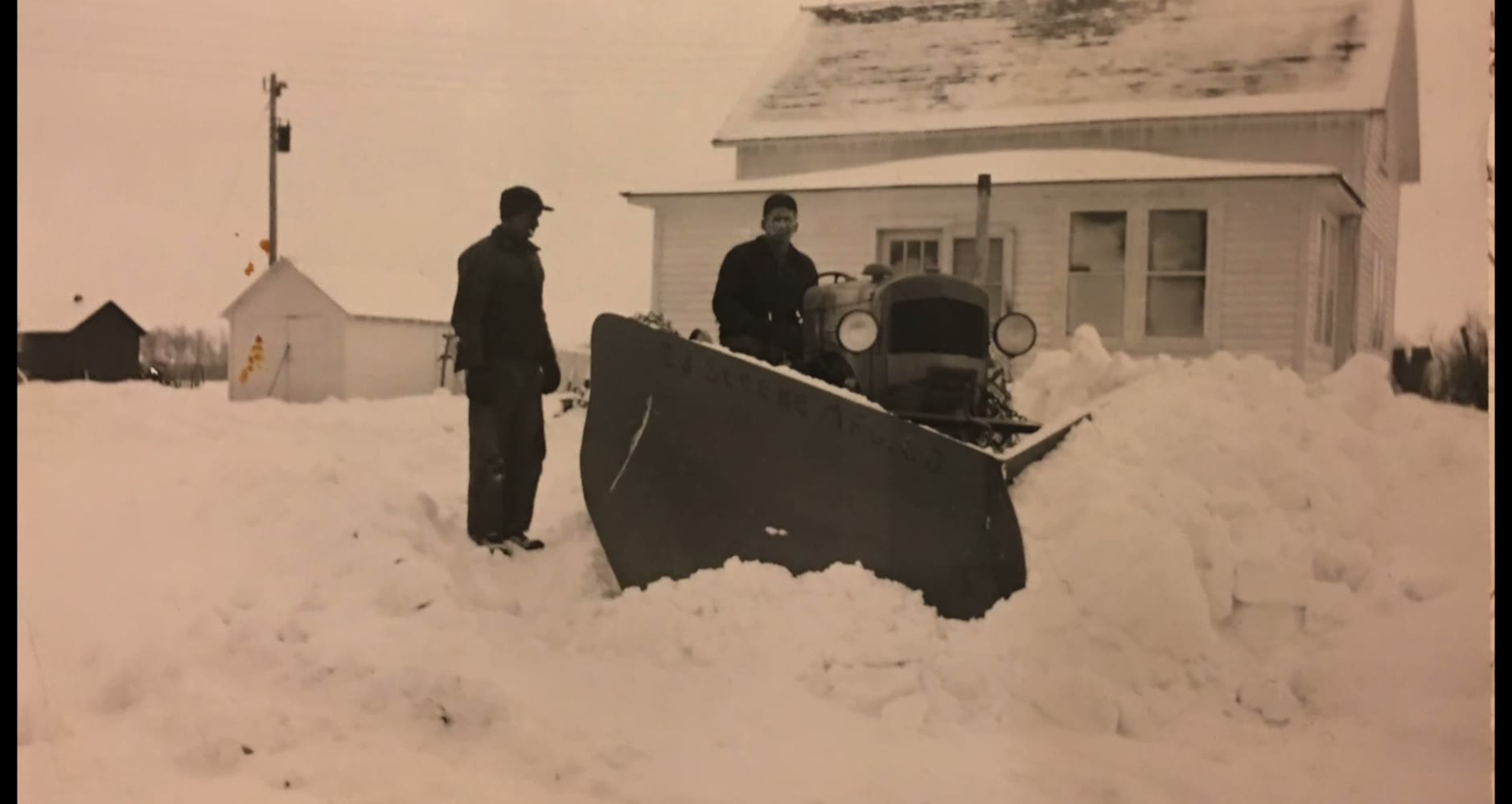
Grandpa took over the milking, and the side work — the chopping, the silos, the snow plows out of that little shop — kept the farm from ever depending on the cows and one year’s crop alone. Building things to make the farm stronger runs in the family.
Plowing out the home place
Late 1970s–1980s
Growing up on Grandpa’s farm
Grandpa was still farming, and the third generation was growing up on the farm — learning the work and the place they would eventually take over.
The farm in the mid-1980s, while Grandpa was farming and the third generation was growing up here
Early 1990s
Third generation takes the barn
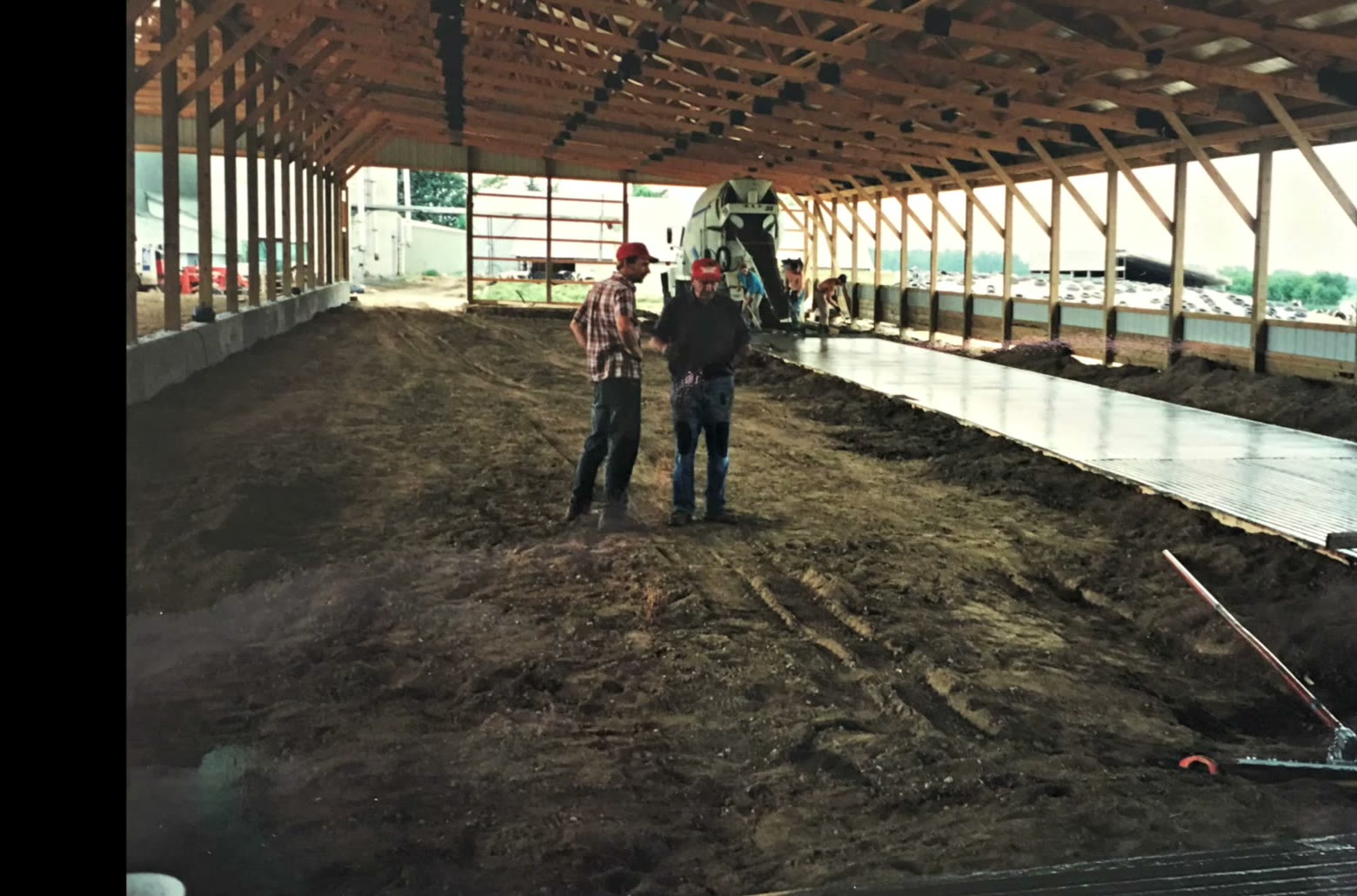
Dad took over the dairy from Grandpa, grew the herd, and built the free-stall barn — the work that built this place.
Inside the free-stall barn
1998
The barn burns
The stanchion barn in the middle of the yard burned down. It was the get-big-or-get-out era, and the family had a decision to make: rebuild smaller and fade, or build for the next chapter.
They chose to keep going. A new parlor barn went up with a double-seven setup, the free-stall barn handled the housing, and the herd nearly doubled. The old barn’s footprint became the feed shed — and the silos kept right on working.
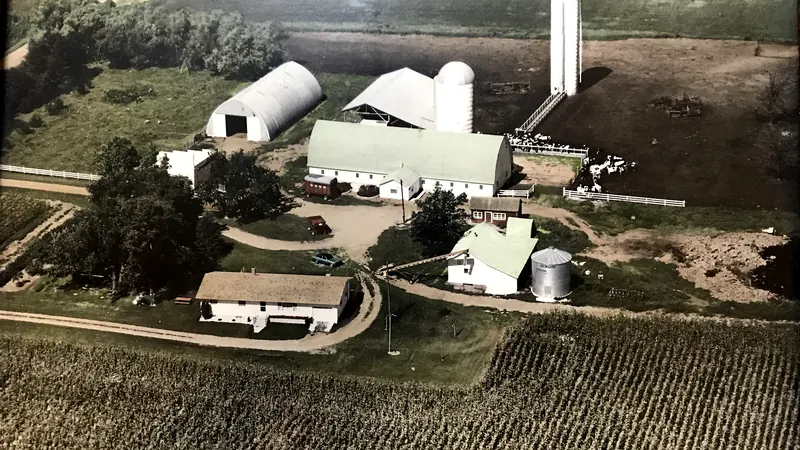
AfterThe farm in the early 2000s, after the fire. Many things had changed: the new double-seven parlor and feed shed were in place, alongside the free-stall barn the third generation built.
2009
The cows leave — grain takes over
The cows left when Dad decided to retire from the dairy. I was still finishing my senior year of high school, so Dad shifted the farm to 100% grain to keep the operation going.
That move opened the next chapter. The dairy years were done, grain took over, and somewhere in that transition I got truly hooked on the operation that would become mine to carry forward.
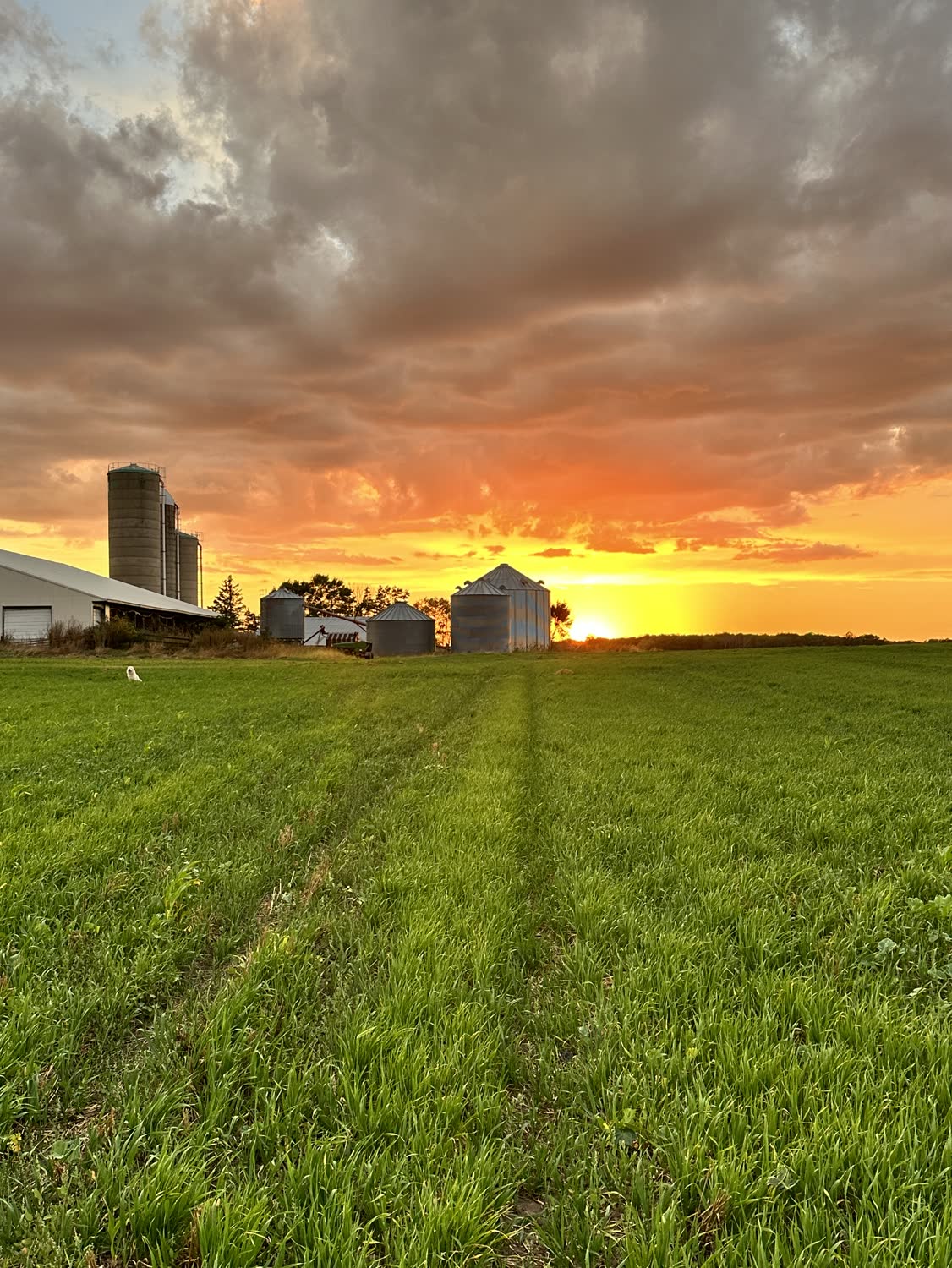
The home place
2010–2017
Precision shows up early
Before I ever took over the farm, I was working around precision agriculture: retail agronomy, precision equipment sales, technical agronomy for a private fertilizer company, and eventually my own precision-ag consulting work. A lot of what came home to the farm came from those years of seeing what worked, what didn’t, and what was worth trying on our own acres.
We were not trying to be flashy. We were just trying to make better decisions. Corn moved from 30-inch rows to 20-inch rows in 2010, then back to 30s in 2018 when that fit the system better. Variable-rate corn seed was running by 2013. Yield-monitor data was coming off the combine by 2015. Variable-rate fertilizer started in 2016. Regular GPS-based soil and tissue sampling followed in 2017.
Piece by piece, the farm started building its own record. That record is what still drives the seed, fertility, and field decisions today.
2017
The subtraction years begin
We moved to all conventional, non-GMO corn — and kept walking that direction, one input at a time: glyphosate and GMO acres pushed down below 10%, with the farm still working toward the rest, and cover crops spreading across the rotation.
2018
The Indicator test changes everything
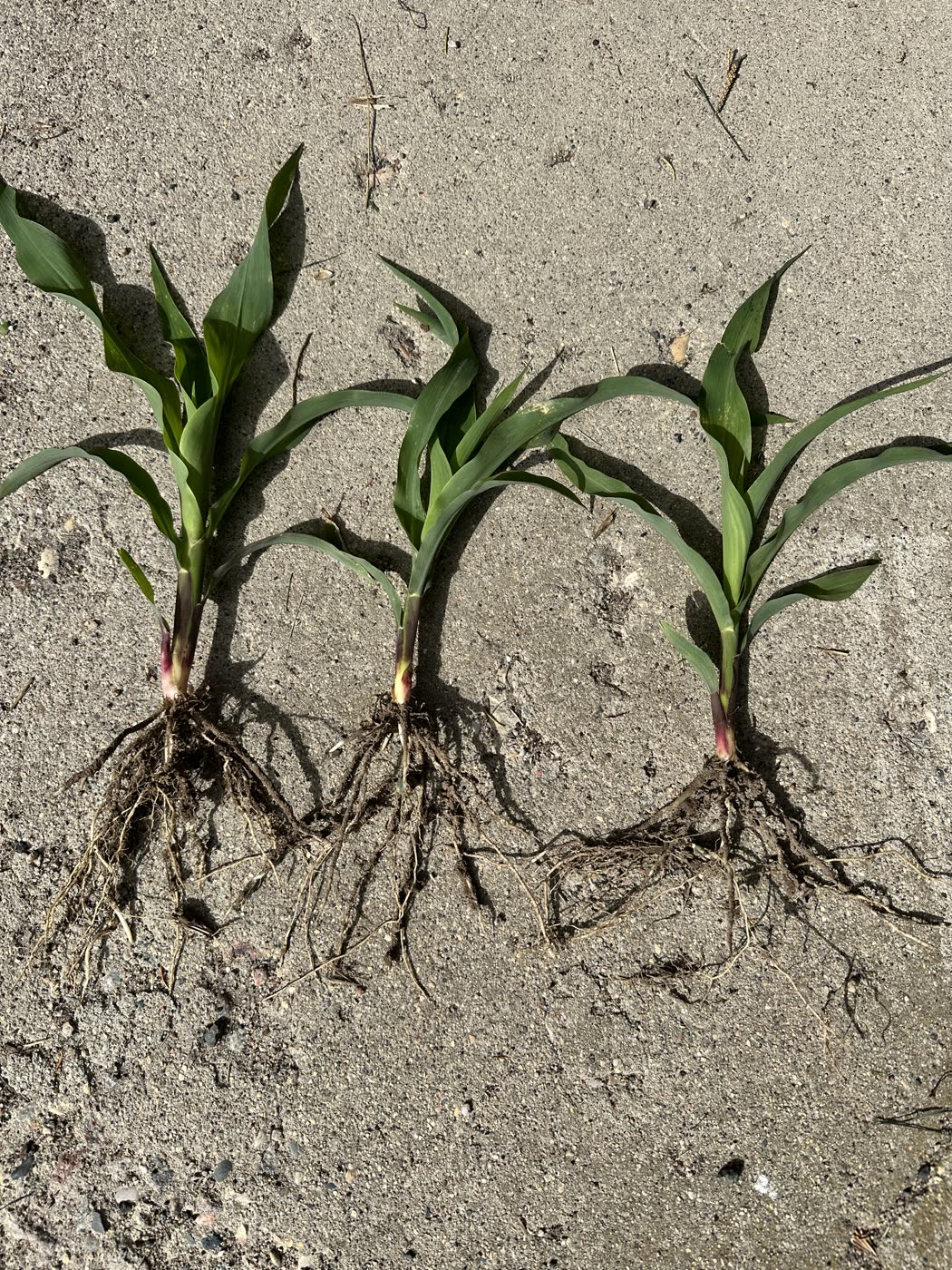
Running the Indicator Complete soil test from Next Level Ag Labs — the Haney portion especially, alongside the total digest extraction — rewired how we think. The verdict: focus on carbon. Manage biology, not just chemistry. That principle now touches every acre and every pass.
What the tests pointed at
2020–2024
Every acre mapped, variable-rate everything
All soils mapped into management zones, in-season soil and tissue sampling on every one of them, and variable rates extended to every crop’s seed, its fertility, and the 2×2 on the planter — prescribed from this season’s tests, never an old one.
2025
The Farm Office goes digital
We built Grain OS, our grain-marketing system — software watches the markets through every session; a person makes every decision. The same AI-as-advisor pattern spread to fertility planning, combine setup, and the grain dryer.
Next
The cows come back
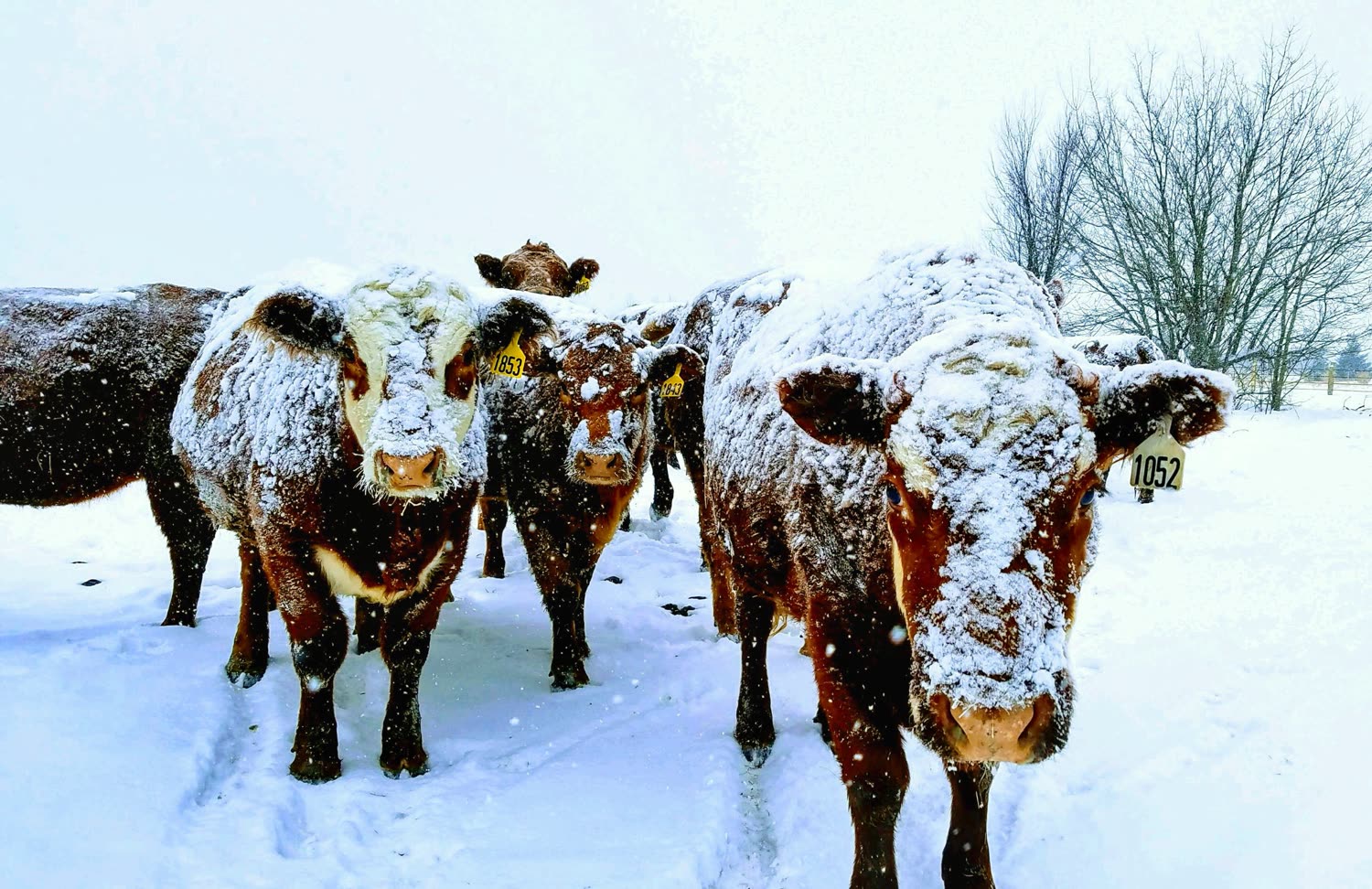
Cattle graze the covers, the dairy-built yard fills again, and the circle closes. The whole vision is in Why We Farm.
The next residents
We are stewards of land that belongs to our Creator, entrusted with the sacred responsibility to nurture it with care and grow the healthiest, most nutritious food possible.
— the Steeke family
No. 03 — What We Hold To
The values that run the place
North Star
Food that matters
We grow food that ends up on a table — and we want it to be the most nutrient-dense food we can raise.
Moral Ground
Soil stewardship
Feed the biology, build the carbon, and prove it in the tests — every season.
The Slow Burn
One season at a time
Longer rotation, then covers, then no glyphosate, then all non-GMO. The next moves point the same direction.
Family
Enough is a strategy
The farm fits the family, not the other way around — a design decision, not an accident.